Sankashti Chaturthi on Sunday, August 2, 2026: Date, Timings, Puja Rituals & Significance
As the auspicious month of Shravana unfolds, devotees of Lord Ganesha prepare to observe one of the most powerful fasts of the Hindu calendar.
Sunday, August 2, 2026, marks the observance of Sankashti Chaturthi (Krishna Paksha Chaturthi).
Known as the day that relieves devotees from all troubles (Sankashta means crisis or trouble, and Chatchurthi refers to the fourth day), this sacred day is dedicated entirely to invoking the blessings of the Vighnaharta—the remover of obstacles.
If you are planning to observe the fast, here is a comprehensive guide covering the key timings, auspicious muhurtas, and essential rituals to help you perform your puja correctly.
Sankashti Chaturthi Timings & Panchang Details
Timing is everything in Vedic rituals.
Planning your day according to the planetary positions and tithi ensures that your prayers yield maximum spiritual benefits.
Tithi Duration :
The Chaturthi tithi is active throughout the day on Sunday, August 2, 2026, and lasts until late night (approximately 11:14 PM to 11:16 PM).
Abhijit Muhurta (Best Time for Prayers/Work) :
12:20 PM to 1:13 PM.
This is the most auspicious window of the day to begin important tasks, perform your afternoon prayers, or set up your puja altar.
Rahu Kaal (To Be Avoided) : 5:43 PM to 7:22 PM. Please ensure you avoid starting any new ventures, auspicious ceremonies, or major travel during this time frame.
Fast Breaking : Devotees traditionally break their strict day-long fast only after sighting the moon at night.
Step-by-Step Sankashti Chaturthi Puja Rituals
Observing the Sankashti Chaturthi Vrat with a pure heart and correct procedure brings peace, prosperity, and success.
Here is how you can observe the fast :
1. Morning Preparation & Sankalp (Vow)
Rise Early :
Wake up during the auspicious Brahma Muhurta, take a holy bath, and wear clean, fresh clothes.
Red or yellow attire is considered especially pleasing to Lord Ganesha.
Clean the Altar :
Clean your home temple and place an idol or picture of Lord Ganesha on a clean wooden chowki covered with a red or yellow cloth.
Take a Vow (Sankalp) :
Light a ghee lamp and incense sticks, and mentally take a vow (Sankalp) to observe the day's fast with utmost devotion.
2. Morning Puja Offerings
Water & Flowers :
Offer fresh water, sacred durva grass (Ganesha’s favorite), and red flowers (hibiscus or roses are ideal) to the deity.
Prasad :
Prepare traditional sweets like modaks or laddus (specifically Boondi or Besan ladoos) to offer as Bhog.
Til (Sesame Seeds) Significance :
Since this is Sankashti Chaturthi, offering black sesame seeds or preparing dishes incorporating sesame is considered highly auspicious for washing away past sins.
3. Evening Rituals and Fast Breaking
Vrat Katha :
As evening approaches, bathe again or freshen up, light an evening lamp, and read or listen to the Sankashti Chaturthi Vrat Katha (the story associated with the day).
Chant powerful Ganesha mantras like Om Gan Ganapataye Namah.
Moon Sighting :
The fast remains incomplete without sighting the moon. Wait for moonrise, offer water (Arghya) and prayers to the moon, and offer your final salutations to Lord Ganesha.
Breaking the Fast :
Once the moon prayers are complete, you may partake in the Prasad and consume a vegetarian meal, traditionally free of grains if you are keeping a strict fast, or a light meal depending on your health and family traditions.
Powerful Ganesha Mantras to Chant
Enhance your puja by meditating on these potent mantras throughout the day:
The Mool Mantra :
Om Gan Ganapataye Namah (ॐ गं गणपतये नमः)
For Removal of Obstacles :
Vakratunda Mahakaya Suryakoti Samaprabha Nirvighnam Kuru Me Deva Sarvakaryeshu Sarvada (वक्रतुंड महाकाय सूर्यकोटि समप्रभ। निर्विघ्नं कुरु मे देव सर्वकार्येषु सर्वदा॥)
The Power of Silence : Observing ‘Maun Vrat’ in Swami Samarth Seva
Published on: June 12 , 2026
Discover the spiritual significance of Maun Vrat (vow of silence) in Swami Samarth Seva. Learn how silencing the mind helps you connect deeper with the divine energy of Akkalkot Niwasi.
A Path to Peace : How to Perform Swami Samarth Seva on Thursdays
Published on: June 10 , 2026
Learn how to perform Swami Samarth Seva on Thursdays effectively. Discover the rituals, prayers, and steps to seek blessings and peace at home.
Is Swami Samarth Ayonija ? Exploring the Divine Origin of the Akkalkot Swami
Published on: June 24 , 2026
Many devotees believe that Swami Samarth is Ayonija because he did not "Enter" the world through a womb, but rather "manifested" into a physical form to interact with his devotees.
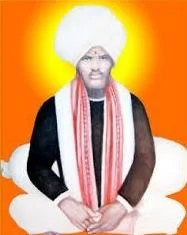
Shri Cholappa Maharaj First Bhakt of Swami Samarth
Published on: July 02 , 2026
Swami Samarth stayed at the residence of his ardent disciple, Cholappa Maharaj, in Akkalkot for 22 years. He arrived in Akkalkot in 1856 and lived there until he took his Mahasamadhi (departed his physical form) at Cholappa's house on April 30, 1878.
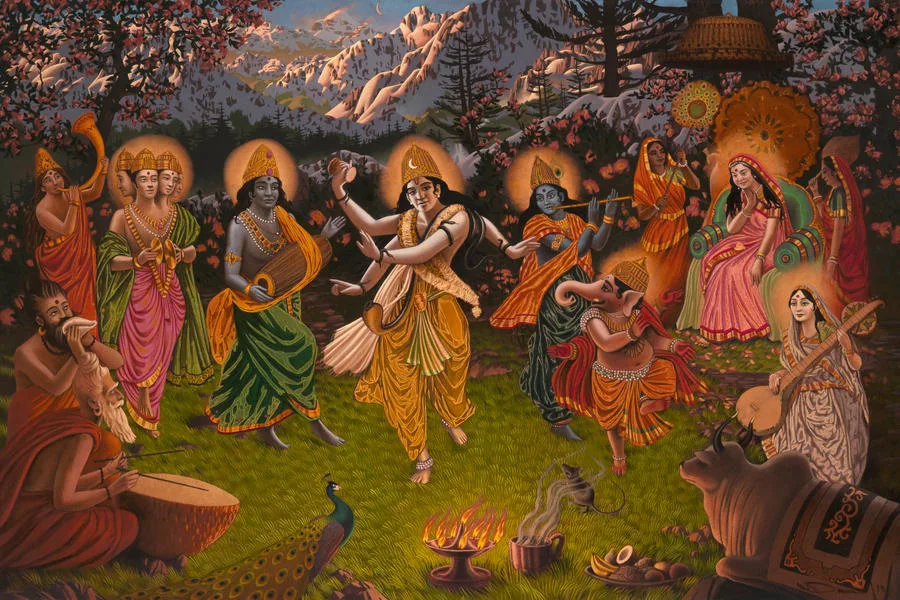
Lord Shiva's Anand Tandav on Kailas Pravat in Pradosh Kaal Time
Published on: July 14 , 2026
Ananda Tandava (yaani Dance of Bliss) Lord Shiva ka woh cosmic dance hai jo khushi, creation aur harmony ka symbol hai. Yeh bhagwan Shiva ka ek aisi blissful aur joyful dance form hai jo universe ke ultimate state of ecstasy aur rhythmic balance ko represent karta hai.

Nija Jyeshtha Amavasya - 14 July 2026 : Significance, Rituals, and Spiritual Practices
Published on: July 09 , 2026
This is Nija Jyeshtha Amavasya which will start from 13 July 2026 , Monday at Evening 06:50 PM and end on 14 July 2026 , Tuesday at 03:13 PM afternoon.