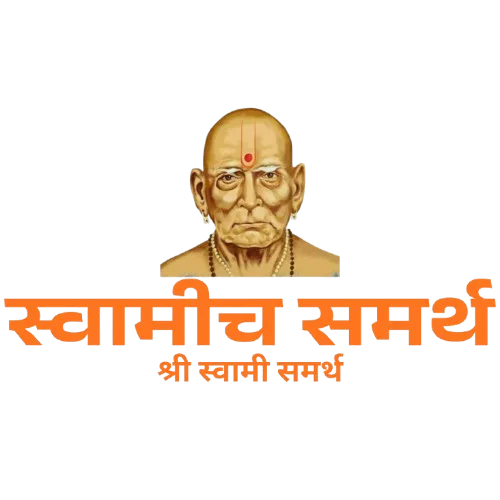
A Path to Peace : How to Perform Swami Samarth Seva on Thursdays
In the spiritual landscape of Maharashtra and beyond, Swami Samarth Maharaj of Akkalkot is revered as a direct incarnation of Lord Dattatreya.
Millions of devotees find solace, guidance, and miracles through Seva (selfless service).
While you can remember Swami Samarth at any time, Thursday—the day dedicated to the Guru—is considered the most auspicious day to deepen your connection with him.
If you are looking to begin or refine your Thursday Seva, here is a simple, heart-centered guide to performing it at home.
Why Thursday?
In Indian tradition, Thursday (Guruvar) is governed by Jupiter, the planet of wisdom, knowledge, and spiritual growth.
Since Swami Samarth is the Sadguru (the ultimate teacher), focusing your prayers and meditation on this day aligns your energy with his infinite grace.
A Step-by-Step Guide to Thursday Seva
1. Preparation (The Environment)
A calm mind begins with a calm space. Ensure your puja area is clean.
If you have an idol or a framed photo of Swami Samarth, gently wipe it with a clean cloth.
2. The Offering (Naivedya)
Sincerity is more important than opulence. You don't need an elaborate feast; simple offerings are highly favored:
Flowers : Yellow flowers (like marigolds or chrysanthemums) are traditionally preferred as they symbolize wisdom.
Food : Swami Samarth was fond of simple, home-cooked food.
You can offer Puran Poli, sweets, or even simple Jaggery and Chana (roasted chickpeas).
Essential : A diya (lamp) with ghee and some dhoop or incense sticks to purify the air.
3. Recitation and Chanting
The core of Swami Samarth Seva lies in Naam Jaap (chanting the name).
On Thursdays, you may choose to include :
The Mantra : The simplest and most powerful mantra is : "Shri Swami Samarth".
Chanting this 108 times (using a Rudraksha or Tulsi mala) helps focus the mind.
Shree Swami Samarth Tarak Mantra : Many devotees recite the Tarak Mantra, which is known for its protective energy.
The Sarth Swami Charitra Saramrut : If you have time, reading a chapter of the Swami Charitra is highly recommended.
It recounts his life and teachings, helping you understand his philosophy deeper.
4. Meditation (The Silence)
After your prayers, sit in silence for 5 to 10 minutes. Swami Samarth often said, "Bhiu nako, mi tuzya pathishi ahe" (Do not fear, I am with you). Use this time to internalize that message.
Visualize his presence, surrender your worries, and simply breathe.
5. Selfless Action (The True Seva)
The word Seva means service. On Thursdays, try to extend your devotion beyond the puja room:
Feed the hungry : Swami Samarth taught that service to the needy is service to God.
Feeding a stray animal, donating to a food bank, or helping someone in need is the highest form of Thursday Seva.
Practice Compassion : Be kind in your speech and thoughts throughout the day.
Important Things to Remember
Consistency is Key : It is better to do five minutes of Seva with full focus than an hour of ritual without heart.
Purity of Intent : Swami Samarth sees your Bhav (devotion).
You do not need to follow strict rituals if your heart is pure and your intentions are noble.
Surrender : The ultimate goal of Thursday Seva is to learn how to surrender your ego and your problems to the Guru.
Once you truly surrender, you will notice a lightness in your life.
Final Thoughts
Swami Samarth Seva is not a transaction; it is a relationship.
Whether you are seeking a miracle, looking for direction, or simply wanting to feel grounded, perform your Thursday Seva with the belief that the Master is listening.
"Shri Swami Samarth."
FAQ
Swami Samarth Seva (worship) on Thursdays is considered highly significant by devotees, as Thursday is dedicated to the Guru (Dattatreya lineage).
Below are frequently asked questions regarding the practice :
1. Why is Thursday considered special for Swami Samarth Seva ?
Swami Samarth is believed to be an incarnation of Lord Dattatreya. Since Thursday is the day of the Guru (Guruvar), it is considered the most auspicious day to seek the blessings of the Sadguru. Devotees believe that on this day, the spiritual vibrations of Swami Samarth are most accessible.
2. What are the basic rituals to follow on a Thursday ?
Early Morning: Wake up during the Brahma Muhurta (early morning), take a bath, and wear clean clothes. Puja: Offer flowers, incense, and a diya (lamp) to Swami Samarth’s photo or idol. Chanting: Read the Shri Swami Samarth Tarak Mantra or the Swami Samarth Sahasranama. Offerings: Many devotees offer Naivedya (food offering) like jaggery and roasted gram (chana) or sweet milk.
3. What is the significance of the "11-Thursday Vrat" (Fast) ?
Many devotees perform an 11-Thursday fast (Vrat) to overcome specific hardships or hurdles.
How to do it : Devotees observe a fast (either full or partial) and perform the puja with dedication for 11 consecutive Thursdays.
Completion : On the 11th Thursday, it is customary to perform Udyapan (the concluding ritual), which usually involves feeding the needy, visiting a temple, or distributing Prasad.
4. What should I chant on Thursdays ?
The most powerful and recommended chants are: The Tarak Mantra: "Shri Swami Samarth" (Repeated 108 times). Swami Samarth Stotram: Reciting this regularly brings peace and mental stability. Shri Swami Samarth Balakrasa: Often read by devotees seeking the Guru’s protection.
5. Can I perform Seva if I am not at home or traveling ?
Yes. Swami Samarth emphasizes internal devotion over outer ritual. If you are traveling, you can simply offer a silent prayer, chant the name of Swami, or listen to the Swami Samarth Dhun on your phone. The Guru resides in your heart, not just in a shrine.
6. Is there a specific type of food I should offer?
While there are no rigid rules, it is traditional to offer Sattvic food. Common offerings include: Jaggery and roasted gram (very popular among Swami devotees). Fruits. Milk or sweets made from milk. Avoid offering non-vegetarian food or alcohol, as the practice is based on purity and devotion.
7. Does Swami Samarth require elaborate rituals?
No. Swami Samarth’s core philosophy is "Faith and Surrender." He often told his devotees that a sincere call from the heart is worth more than elaborate, expensive ceremonies. If you are unable to perform a full puja, simply lighting a lamp and chanting "Shri Swami Samarth" with a clean heart is enough.
8. What is the meaning of "Bhiu Nakos, Mi Tujhya Pathishi Aahe" ?
This is the most famous assurance given by Swami Samarth, which translates to: "Do not fear, I am always behind you (supporting you)." Devotees often meditate on this phrase during their Thursday prayers to find courage and eliminate anxiety.
9. Can I visit a Swami Samarth Math on Thursday ?
Yes. Visiting a Math (shrine or center) on a Thursday is excellent. Many centers conduct Palkhi (procession) ceremonies, Bhajans, and Aarti on Thursdays. Participating in these community prayers helps increase spiritual focus.
10. How can I start my Seva if I am a beginner ?
Start small : Begin by chanting "Shri Swami Samarth" 108 times every Thursday. Read: Pick up a book on the life and miracles of Swami Samarth (Shri Swami Charitra Saramrut). Consistency: The secret to Swami Samarth Seva is consistency rather than intensity. It is better to pray for 5 minutes every Thursday than to do a 3-hour ritual once a year.
स्वामी समर्थांचे ११ दिवसांचे व्रत कसे करावे ?
स्वामी समर्थ महाराजांची भक्ती आणि त्यांच्या कृपेचा वर्षाव मिळवण्यासाठी 'स्वामी समर्थ ११ गुरुवार व्रत' हे अत्यंत प्रभावी मानले जाते.
अनेक भाविक आपल्या मनोकामना पूर्ण करण्यासाठी हे व्रत श्रद्धेने करतात.
हे व्रत कसे करावे, याची सविस्तर आणि सोपी पद्धत खालीलप्रमाणे आहे :
१. व्रताची सुरुवात कधी करावी ?
हे व्रत कोणत्याही गुरुवारी सुरू करता येते.
शक्य असल्यास 'दत्त जयंती' किंवा 'स्वामी समर्थ प्रकट दिना' च्या आसपासच्या गुरुवारी सुरुवात करणे अधिक शुभ मानले जाते.
२. पूजेची तयारी
गुरुवारी सकाळी लवकर उठून स्नान करून स्वच्छ कपडे परिधान करावेत.
तुमच्या देवघरात किंवा एका चौरंगावर स्वामी समर्थांची मूर्ती किंवा फोटो स्थापित करा.
फोटोच्या खाली तांदूळ किंवा अक्षता पसरवाव्यात.
३. पूजेची पद्धत
स्वामींच्या फोटोला गंध, हळद-कुंकू वाहून फुलांचा हार अर्पण करावा.
समोर एक दिवा (तेलाचा किंवा तुपाचा) आणि धूप-अगरबत्ती लावावी.
नैवेद्यासाठी गूळ-खोबरे, साखर किंवा गोड पदार्थ (शक्य असल्यास घरचा बनवलेला) ठेवावा.
यानंतर 'श्री स्वामी समर्थ' या मंत्राचा ११ वेळा किंवा १०८ वेळा जप करावा.
'स्वामी समर्थ तारक मंत्रा'चे पठण करावे.
४. व्रत कसे पूर्ण करावे?
हे व्रत सलग ११ गुरुवार करायचे असते.
या काळात मांस-मद्य वर्ज्य असावे आणि शक्य असल्यास सात्विक आहार घ्यावा.
दिवसभर स्वामींचे स्मरण ठेवावे.
एकाग्र चित्ताने आपली जी काही इच्छा किंवा समस्या असेल, ती स्वामींच्या चरणी अर्पण करून प्रार्थना करावी.
५. ११ व्या गुरुवारी उद्यापन
अकरावा गुरुवार हा व्रताचा शेवटचा दिवस असतो. या दिवशी विशेष पूजा करावी.
शक्य असल्यास स्वामींच्या चरणी ११ फुले किंवा ११ फळे अर्पण करावीत.
गरजूंना अन्नदान करणे किंवा मंदिरात काहीतरी दान करणे खूप पुण्यकारक मानले जाते.
आपल्याला जमेल तसे सात्विक भोजनाचे दान करावे.
काही महत्त्वाच्या टिप्स :
१. श्रद्धा आणि विश्वास :
हे व्रत केवळ विधी म्हणून न करता, मनात स्वामींबद्दल अपार श्रद्धा ठेवून करावे.
स्वामी भाविकांच्या हाकेला नक्कीच धावून येतात.
२. मौन आणि जप :
पूजा करताना शक्य असल्यास मन शांत ठेवून स्वामींच्या नामस्मरणात राहावे.
३. नियम :
मासिक पाळी किंवा इतर कोणत्याही अशुद्धतेच्या दिवसात ते गुरुवार सोडून द्यावेत आणि पुढील गुरुवारी जसा क्रम असेल तसा पुढे चालू ठेवावा.
स्वामी समर्थांचा मंत्र :
"श्री स्वामी समर्थ" हे नाव मुखात सतत राहू द्या.
स्वामींची कृपा तुमच्यावर आणि तुमच्या कुटुंबावर कायम राहो, हीच प्रार्थना.
|| श्री स्वामी समर्थ ||